
Cyber Crime

Cyber crime has become one of the most serious legal and technological challenges in today’s digital world. With the increasing use of smartphones, online banking, social media, e-commerce platforms, cloud services, and digital communication, individuals and businesses are exposed to various forms of cyber threats. Cyber crimes can result in financial losses, identity theft, […]
Bail: Understanding Bail, Legal Rights, and the Bail Process in India
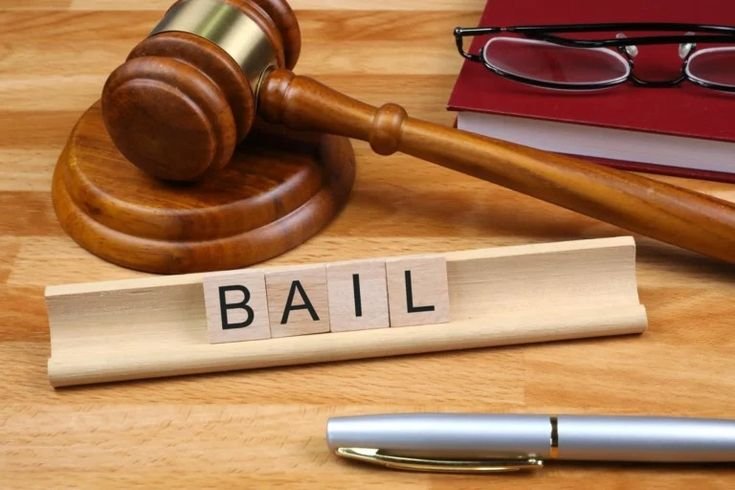
Bail is an important legal remedy available to an accused person facing criminal proceedings. It allows a person who has been arrested or detained to obtain temporary release from custody while the investigation or criminal case continues, subject to conditions imposed by the court. The purpose of bail is to balance the interests of justice […]
Cheque Bounce: Legal Remedies, Procedure, Causes and Importance of Timely Action

A cheque is one of the most commonly used instruments for making payments in business and personal transactions. It provides a convenient way to transfer money without requiring immediate cash payment. However, when a cheque is presented to the bank and is returned unpaid, the situation can become legally and financially complicated. A cheque bounce […]
Cheque Bounce in India: Legal Remedies, Penalties & Expert Legal Assistance

A cheque is one of the most commonly used financial instruments for business transactions, loan repayments, rent payments, and commercial dealings. It represents a promise that the issuer has sufficient funds in their bank account to honor the payment. However, when a cheque is returned unpaid by the bank due to insufficient funds or other […]
What Is Anticipatory Bail? Meaning, Process, and Legal Rights Explained
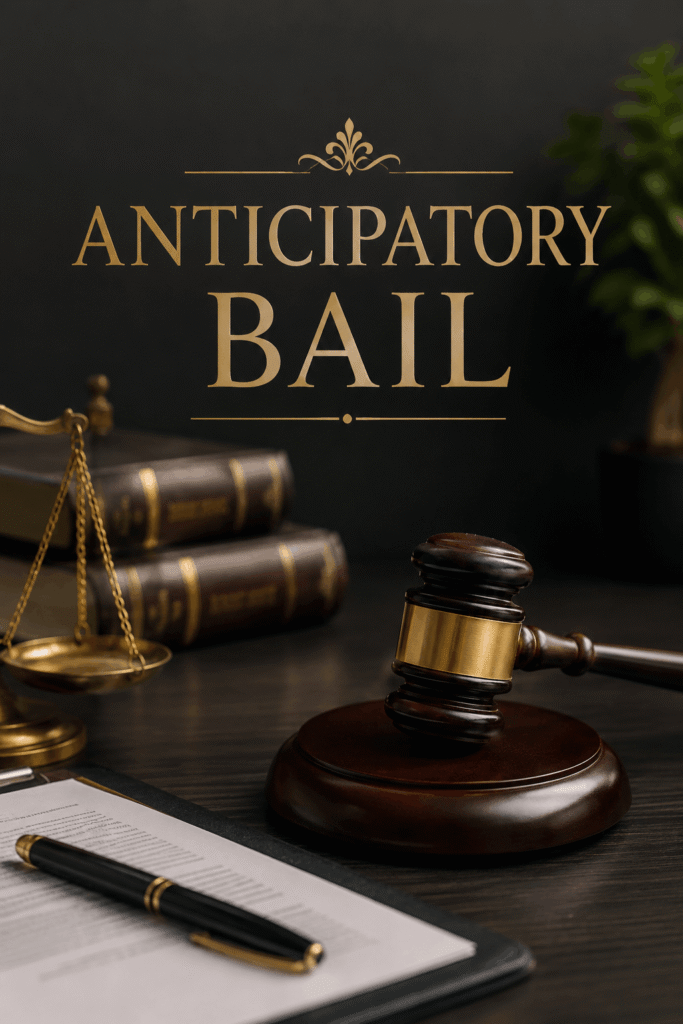
Anticipatory bail is an important legal remedy available under Indian criminal law that protects an individual from arrest when there is a reasonable apprehension of being accused of a non-bailable offence. It is intended to safeguard the fundamental right to personal liberty while ensuring that the investigation is not obstructed. Courts grant anticipatory bail after […]
White Collar Crime in India: Meaning, Types, Legal Consequences, Investigation, and Prevention

White collar crime refers to non-violent crimes committed primarily for financial gain by individuals, professionals, business executives, public officials, or corporate entities. Unlike conventional crimes that involve physical violence, white collar crimes are usually committed through deception, fraud, abuse of trust, manipulation of financial records, misuse of authority, or violation of legal and regulatory obligations. […]

Bail in India: Meaning, Types, Legal Process, Rights, and Important Facts Introduction Bail is one of the most important concepts in the Indian criminal justice system. It serves as a legal mechanism that allows an accused person to remain free while criminal proceedings are pending before the court. The principle behind bail is that every […]
What Is Anticipatory Bail? Meaning, Process, and Legal Rights Explained
Anticipatory bail is an important legal remedy available under Indian criminal law that protects an individual from arrest when there is a reasonable apprehension of being accused of a non-bailable offence. It is intended to safeguard the fundamental right to personal liberty while ensuring that the investigation is not obstructed. Courts grant anticipatory bail after […]
Dowry Death (IPC/BNS): Laws, Investigation Process, and Legal Remedies

Dowry death remains one of the most serious social and legal issues in India. Despite strict laws prohibiting the demand and acceptance of dowry, many women continue to face harassment, cruelty, and violence related to dowry demands. In severe cases, such harassment can result in the death of a married woman, leading to criminal prosecution […]
What Happens If a Cheque Bounces? A Complete Legal Guide for 2026
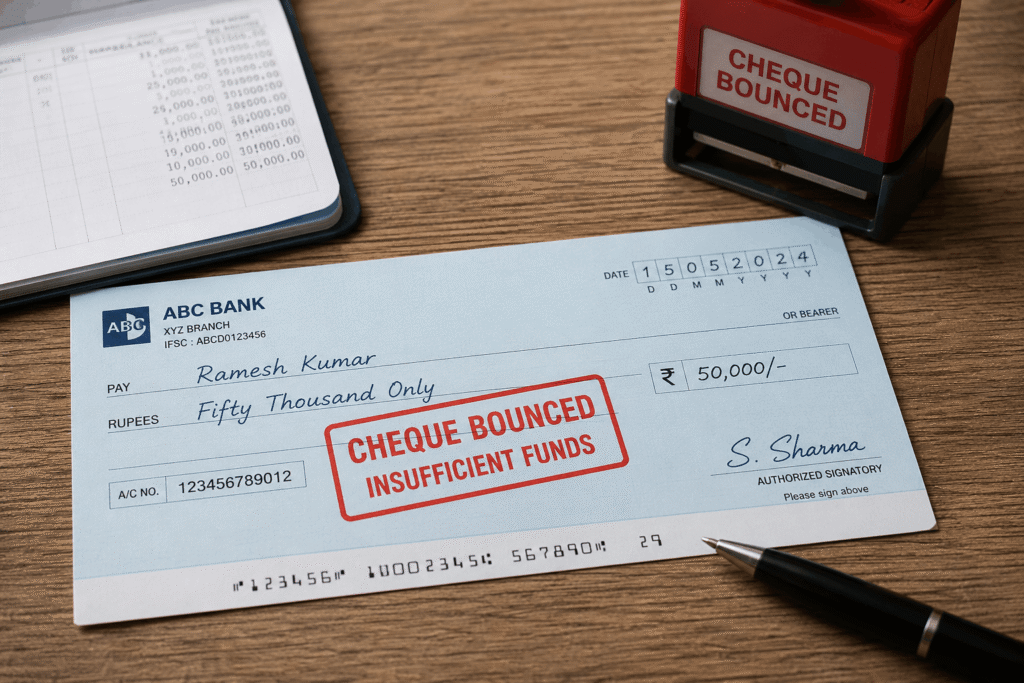
A cheque bounce can create serious financial and legal complications for both the issuer and the recipient. In India, cheque dishonour is governed primarily by Section 138 of the Negotiable Instruments Act, 1881, which provides legal remedies to the aggrieved party when a cheque issued towards a legally enforceable debt or liability is returned unpaid […]